
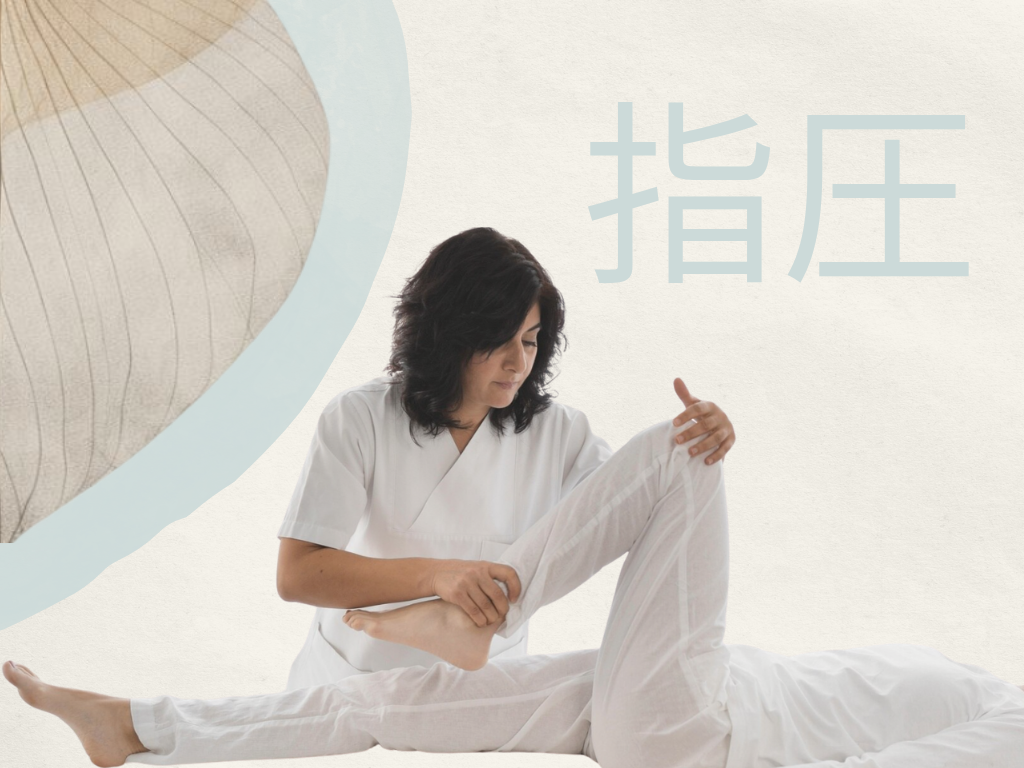
Tension in the body often builds quietly. A stiff neck at the end of the day, tight shoulders that never fully release, or sleep that feels light and interrupted can all be signs that your body is under strain. Over time, this can affect how you feel day to day. Energy may drop, movement can feel restricted, and it becomes harder to fully switch off, even when there is time to rest. Shiatsu massage offers a gentle way to support your body through this. By applying steady pressure, it helps ease physical discomfort and encourages your body to settle into a more relaxed state.
Many people choose shiatsu massage to help with:
At Yana Wellness, shiatsu massage sessions are designed to provide a calm and supportive space where you can slow down and feel more at ease.
We regularly welcome clients from Sydenham, Beckenham, Dulwich, Forest Hill, Penge, and Crystal Palace, including nearby post codes such as SE26, SE20, SE21, SE23, and BR3.
Shiatsu massage is a hands-on therapy that developed in Japan in the early twentieth century. It draws on traditional practices and focuseson supporting the body, rather than treating one area in isolation. The word shiatsu means “finger pressure,” which reflects how the treatment is carried out.
During a shiatsu massage, the practitioner uses their fingers, thumbs, and palms to apply steady pressure to different areas of the body. The treatment is usually done with you fully clothed and without oils.
The pressure follows a slow, consistent rhythm and may include gentle stretches and small movements. This helps the body settle and release built-up strain.
What makes shiatsu massage different is its whole body approach. Instead of focusing only on where you feel discomfort, it looks at how different areas are connected. Tension in one place can affect another, so the aim is to support balance across the body.
Shiatsu massage works through both physical and nervous system responses.
When pressure is applied, receptors in the skin and musclessend signals to the brain that can help calm the body and reduce the feeling of pain (Robinson et al., 2011).
At the same time, muscles that have been holding tension begin to release. When the body is under stress, muscles often stay slightly contracted. Steady pressure helps them return to a more natural resting state.
There is also an effect on circulation. As pressure is applied, blood is briefly pushed away from the area. When it is released, freshblood flows back in. This may support circulation and the body’s natural recovery processes (Keter et al., 2025).
In daily life, stress and long periods of sitting often lead to ongoing stiffness, especially in the neck and shoulders. Over time, this can become a pattern the body holds onto (Lundberg et al., 1994).
Shiatsu massage helps interrupt this pattern by encouragingthe body to settle.
Many people notice:
Massage-based therapies are also linked to reduced stress and improved relaxation (McCullough et al., 2014).
.png)
A shiatsu massage session is calm and adapted to how you arefeeling on the day.
The treatment is usually carried out with you fully clothed, lying on a comfortable mat. There is no need for oils, and the environment is quiet and relaxed.
The practitioner applies steady pressure across differentareas of the body, often combined with gentle stretches and small movements.The rhythm is slow and consistent, allowing your body time to respond.
The pressure is not forceful. It is designed to feel supportive, helping your body gradually let go of tension. There is no rushing from one area to another, and the session follows a natural flow.
Most people experience a sense of deep relaxation during the session, followed by a feeling of lightness afterwards.
Shiatsu massage is different from many other treatments.
Unlike deep tissue massage, which works more firmly on deeper muscles, shiatsu uses steady pressure that is generally gentler and more gradual.
Compared to aromatherapy massage, which uses oils and flowing movements, shiatsu is performed without oils and focuses on specific points.
Remedial massage often targets specific injuries or areas ofdiscomfort. Shiatsu takes a broader approach, working across the body ratherthan focusing on one area alone.
Each treatment has its place. Shiatsu massage is often chosenby those looking for both physical relief and a sense of overall calm.
You can learn more about different treatments on our massage therapy here
Is shiatsu massage painful?
Shiatsu uses gentle to moderate pressure and should not feel painful. Someareas may feel more sensitive, but pressure is always adjusted to your comfort.
Do I need to undress?
No. Shiatsu massage is usually done fully clothed. Loose, comfortable clothingis recommended.
How often should I have a session?
This depends on your needs. Some people come regularly, while others book whenthey feel tension building.
Can shiatsu massage help with stress?
Yes. By helping the body release tension, it can make it easier to feel calmer and more settled.
Is it suitable for everyone?
Shiatsu is generally safe for most people. If you have any medical concerns, it is best to check with a healthcare professional.
Shiatsu massage offers a simple way to support your body and recover at its own pace.
Taking time to pause is not always easy, but it is often what the body needs most. Shiatsu creates space for the body to settle and regain balance.
At Yana Wellness, we offer shiatsu massage in Sydenham,welcoming clients from across South-East London.
We proudly serve clients across Forest Hill (SE23), Penge(SE20), Dulwich (SE21), Crystal Palace (SE19), and Beckenham (BR3).
📍 YanaWellness, 22A Sydenham Road, SE26 5QW, London
Please use our online booking system or get in touch to arrange your shiatsu massage session.
References
Keter, D.L., et al., 2025. The mechanisms ofmanual therapy: A review of current evidence. PLOS One.
Lundberg, U., et al., 1994. Psychophysiologicalstress and muscle tension. International Journal of Behavioral Medicine.
McCullough, J.E., et al., 2014. The effects ofmassage on stress and wellbeing. Complementary Therapies in Clinical Practice.
Robinson, N., et al., 2011. The evidence forshiatsu: A systematic review of shiatsu and acupressure. BMC Complementary andAlternative Medicine.
.png)
.png)


